

For the past two years, wellness brands leaned hard into AI tools for content production: generated product shots, synthetic lifestyle imagery, AI voiceovers layered over stock footage. It was fast, it was cheap, and for a while almost nobody noticed. Now I'm watching the same brands quietly walk it back, pulling synthetic content out of rotation and rebooking real shoots. That reversal isn't nostalgia. It's a response to a trust shift that's already happened. Consumer trust in AI-generated content has dropped sharply, and the wellness category, built almost entirely on trust, is one of the first places that shift is showing up.
The Trust Math Has Changed
A few years ago, most consumers said they were fine with AI-generated content from the brands and creators they followed. That number has collapsed since. Today, a majority of people say they actively doubt the authenticity of what they see online, and a meaningful share say they quietly disengage the moment they suspect something was AI-made. Not because the content was bad. Because it wasn't honest about what it was.
Wellness brands feel this more than most categories. Your audience isn't deciding whether to click an ad. They're deciding whether to trust you with their body, their routine, their health. That decision runs on a different kind of evidence than a fashion brand or a tech brand needs to supply, and synthetic content, however polished, doesn't supply it. The brands seeing the strongest response right now aren't the ones with the most dramatic before-and-afters. They're the ones whose real customer stories and real results read as undeniably real, because increasingly, that's the bar.
Where Brands Are Getting Caught
The brands running into trouble aren't the ones using AI for internal drafts or a quick caption idea. They're the ones who let it creep into the content that's supposed to carry the most trust: hero imagery, founder-style video, testimonial-style posts that look like a real customer until someone notices the hands are wrong or the voice doesn't quite match a real person talking. Disclosure doesn't fully solve this either. Once someone learns that content presented as authentic was actually AI-generated, trust in the brand drops further than if the AI use had never come up at all.
Where Brands Are Getting Caught
The brands running into trouble aren't the ones using AI for internal drafts or a quick caption idea. They're the ones who let it creep into the content that's supposed to carry the most trust: hero imagery, founder-style video, testimonial-style posts that look like a real customer until someone notices the hands are wrong or the voice doesn't quite match a real person talking. Disclosure doesn't fully solve this either. Once someone learns that content presented as authentic was actually AI-generated, trust in the brand drops further than if the AI use had never come up at all.
Where AI Is Actually Fine
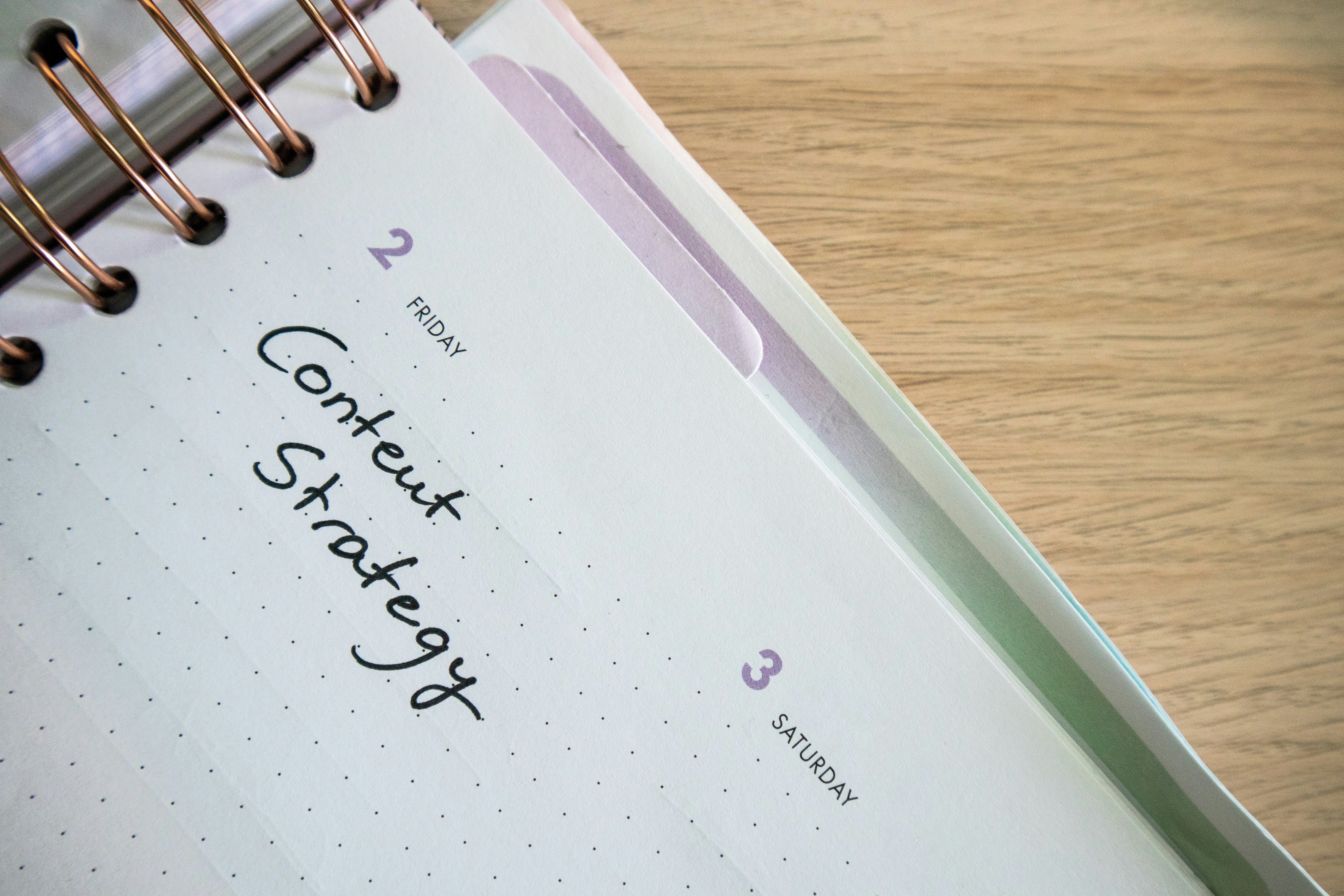
None of this means AI has no place in a wellness brand's workflow. It's genuinely useful for the parts your audience never sees: organizing a shot list, drafting caption variations to edit later, mapping out a quarter's content plan, sorting and tagging an existing asset library. Used there, AI saves time without touching trust at all, because nobody's evaluating whether your production calendar is authentic.
The line is simple, even if it doesn't sound bold: AI in the process is fine. AI in the product, meaning the photo and video your audience is meant to believe is real, is where the trust math turns against you.
The Opening This Creates
Here's the part that matters for your strategy. While a lot of brands were chasing efficiency with synthetic content, the value of real photography and real video went up. Every frame that's obviously, verifiably made by actual people, in your actual space, with your actual product, is now doing double duty. It's a content asset, and it's a trust signal, at a moment when trust signals are getting harder to fake convincingly and easier to get caught faking.
This is where the photo-and-video distinction starts to matter more than it used to. A still image proves less on its own than it did two years ago, because static images are easier to generate convincingly. Real video, especially anything with a real person talking, moving, existing in real time, is currently much harder to fake well, and audiences are getting sharper at spotting the difference. The brands I'm working with right now aren't cutting back on production to save money. They're investing in more of it, deliberately, with a partner who produces it consistently rather than patching the gap with whatever AI tool is fastest that week.
Read more